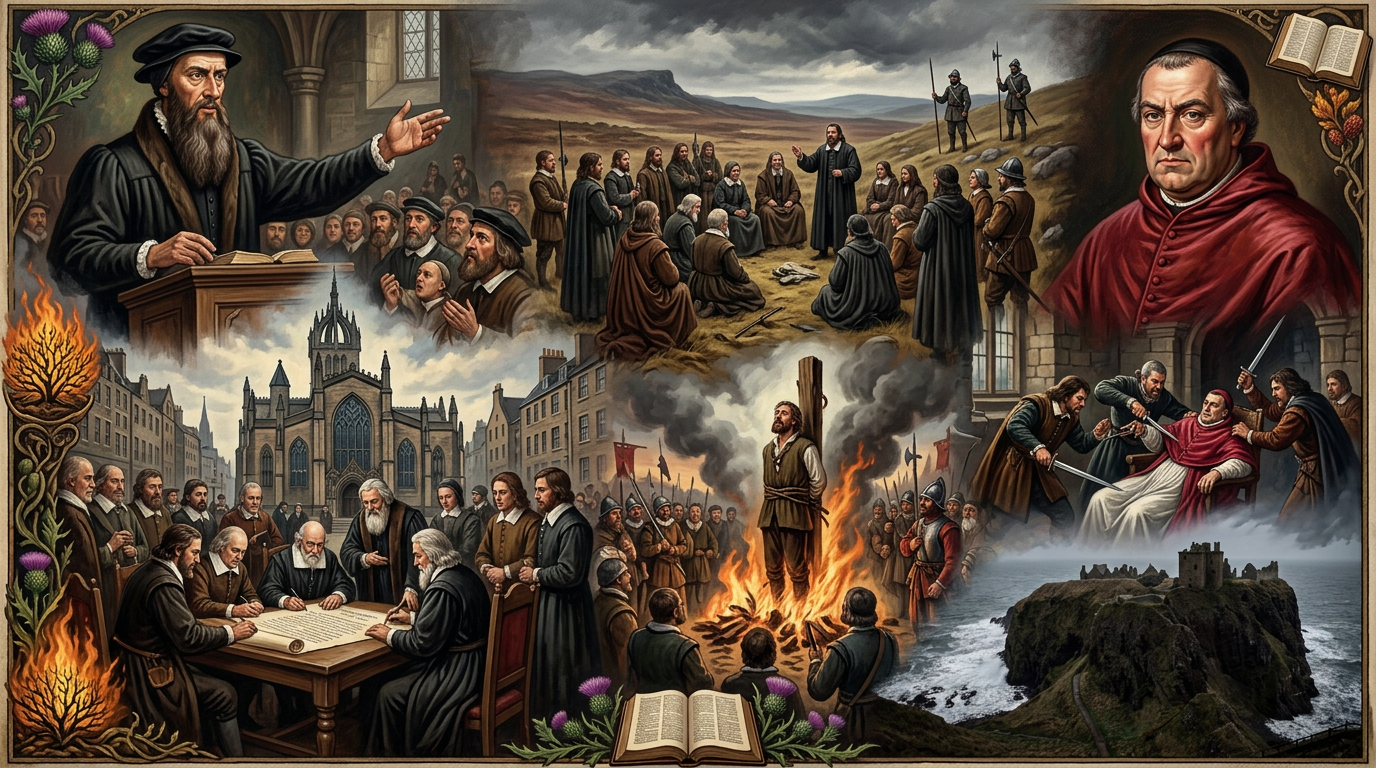
The Scottish Reformation, a pivotal moment in Scotland’s history, fundamentally reshaped the nation’s religious, political, and social landscape. This seismic shift from Catholicism to Protestantism, primarily Calvinism, was not merely a theological debate. Instead, it was a turbulent and often violent transformation with far-reaching consequences that echoed for centuries.
Early Martyrdoms and the Spark of Reform
The seeds of the Scottish Reformation were sown amidst growing dissatisfaction with the established Catholic Church. Many perceived the Church as corrupt and worldly. Consequently, early reformers, inspired by continental movements, began to challenge papal authority. They advocated for a return to biblical teachings. However, this dissent was met with fierce resistance from the authorities.
Figures like Patrick Hamilton became early martyrs for the Protestant cause. He was burned at the stake in St Andrews in 1528 for heresy. His death, far from suppressing the movement, served to galvanize support. It highlighted the perceived injustices of the existing religious order. Similarly, George Wishart, another prominent reformer, was executed in 1546. This event further fueled the flames of religious and political tension. These early martyrdoms underscored the high stakes involved. They also revealed the deep divisions within Scottish society.
Assassination of Cardinal Beaton
The execution of Wishart, in particular, had immediate and violent repercussions. Cardinal David Beaton, the Archbishop of St Andrews and a powerful opponent of reform, had been instrumental in Wishart’s condemnation. In May 1546, just months after Wishart’s death, a group of Protestant lairds sought revenge. Motivated also by political opposition to Beaton, they infiltrated St Andrews Castle. They assassinated the Cardinal. This dramatic event removed a key defender of the Catholic Church and further escalated the conflict.
Furthermore, the execution of Walter Milne in 1558 is often cited as a crucial turning point. Milne was an aged priest who had embraced Protestant doctrines. His martyrdom occurred shortly before the formal establishment of the reformed church. It provoked widespread outrage. Consequently, it further weakened the authority of the established church. His death served as a powerful symbol of the perceived cruelty and intransigence of the Catholic hierarchy. Ultimately, it galvanised support for the Protestant cause and accelerated the momentum towards reform.
The Rise of John Knox and the Lords of the Congregation
The arrival of John Knox, a fiery and charismatic preacher, proved to be a turning point. Knox had spent time in Geneva with John Calvin. Therefore, he brought a potent blend of theological conviction and political radicalism to Scotland. He became a leading figure in the Protestant movement. He advocated for a complete break with Rome and the establishment of a reformed church.
Knox found powerful allies in the “Lords of the Congregation.” This was a group of Protestant nobles who sought to diminish the power of the Catholic monarchy. They also aimed to reduce French influence in Scotland. This alliance between religious reformers and political opportunists proved formidable.
The Reformation Parliament of 1560
The political tide turned decisively in 1560. Following the death of the Regent, Mary of Guise, and the withdrawal of French troops, the Protestant Lords of the Congregation gained control. They convened a meeting of the Scottish Parliament in August 1560. This assembly became known as the “Reformation Parliament.”
This Parliament proceeded to dismantle the Catholic Church in Scotland. It is important to note that its legality was questionable, as it lacked royal assent from the absent Mary, Queen of Scots. Nevertheless, in a series of acts, Parliament:
-
Adopted the Scots Confession: This was a Protestant confession of faith, largely drafted by Knox and five other ministers. It outlined the core doctrines of the new church.
-
Renounced Papal Authority: Parliament passed an act abolishing the authority of the Pope in Scotland.
-
Declared the Celebration of Mass Illegal: It made the celebration of Catholic Mass punishable by law, with severe penalties for repeat offenders.
These acts effectively established the Church of Scotland (the Kirk) along Presbyterian lines. This marked the formal triumph of the Reformation in Scotland. While Mary, Queen of Scots, upon her return, refused to ratify these acts, they remained the de facto law of the land. This set the stage for decades of religious and political conflict.
The Covenanters: A Covenant with God, a Conflict with Kings
The establishment of the Kirk in 1560 did not end religious strife in Scotland. The 17th century witnessed a bitter and prolonged struggle. This conflict pitted the Kirk, determined to maintain its Presbyterian structure and independence, against the Stuart monarchs. The kings sought to impose Episcopalianism (government by bishops) as a means of asserting royal control over the church. This struggle gave rise to the Covenanters, a movement that would dominate Scottish history for decades.
The Spark: Stools and the Service Book
The tension erupted spectacularly in 1637. King Charles I sought religious uniformity across his kingdoms. Therefore, he attempted to introduce a new, English-style Service Book into Scotland. This was viewed by many Scots as a popish innovation. They also saw it as an infringement on the Kirk’s liberties.
On July 23, 1637, in St Giles’ Cathedral, Edinburgh, the Dean attempted to read from the new book. According to popular legend, a market woman named Jenny Geddes was outraged by this “idolatry.” She hurled her stool at the Dean’s head. She reportedly shouted, “Villain, dost thou say Mass at my lug?” This act of defiance sparked a riot. The unrest quickly spread throughout Edinburgh and across Scotland. It signaled widespread resistance to the King’s religious policies.
The National Covenant and Greyfriars Kirkyard
In response to the King’s actions, leading Presbyterians drafted the National Covenant in 1638. This document pledged the signatories to uphold the “true religion” (Presbyterianism). It also bound them to resist all innovations contrary to God’s Word. It is crucial to understand that this was not an act of rebellion against the King per se. Instead, it was a declaration of loyalty to God and the Kirk. It asserted that the King’s authority did not extend to dictating religious practice.
The National Covenant was first signed with great solemnity in Greyfriars Kirkyard, Edinburgh, on February 28, 1638. Thousands flocked to sign. Some reportedly used their own blood. Copies were distributed throughout Scotland. Consequently, the Covenant became a rallying cry for the Presbyterian cause. It united nobles, ministers, and common folk in a powerful movement of religious and national resistance.
The Bishops’ Wars and the Solemn League and Covenant
The King’s refusal to back down led to the Bishops’ Wars (1639-1640). In these conflicts, Covenanter armies successfully resisted royal forces. The Covenanters’ success in Scotland emboldened the King’s opponents in England. This contributed significantly to the outbreak of the English Civil War.
In 1643, seeking an alliance against the King, the English Parliament entered into the Solemn League and Covenant with the Scottish Covenanters. This treaty pledged both parties to reform religion in England and Ireland “according to the Word of God and the example of the best Reformed Churches.” This strongly implied Presbyterianism. It also pledged them to preserve the liberties of both Parliaments. In return, a Scottish army entered England to fight alongside the Parliamentarian forces. While this alliance was crucial in defeating the King, the attempt to enforce Presbyterianism in England ultimately failed. Furthermore, the Covenant itself became a source of profound division within the Covenanter movement, especially as the political situation in England grew more complex.
Civil War and Internal Conflict: Argyll vs. Montrose
The Covenanter movement, however, was not monolithic. The alliance with the English Parliamentarians caused deep divisions. This was especially true after the rise of Oliver Cromwell and the Independents. Furthermore, the execution of Charles I in 1649 complicated matters. Many Covenanters, while opposing his religious policies, still adhered to the principle of monarchy.
This period saw a bitter internal conflict within Scotland. This struggle was often personified by the rivalry between Archibald Campbell, 1st Marquess of Argyll, and James Graham, 1st Marquess of Montrose. Argyll was a leading Covenanter statesman. Montrose, initially a Covenanter, became disillusioned with the movement’s radical direction. He also opposed the alliance with England. Consequently, he raised a Royalist army, largely composed of Highland clans. He won a series of brilliant victories against Covenanter forces in 1644-1645. However, Montrose was ultimately defeated, captured, and executed in Edinburgh in 1650. Argyll, too, would eventually meet his end on the maiden (a Scottish guillotine) after the Restoration.
The Restoration and “The Killing Time”
The Restoration of Charles II in 1660 brought a dramatic reversal of fortune for the Covenanters. The King was determined to re-establish Episcopalianism. He also sought to suppress Presbyterian dissent. This was despite the fact that he had signed the Covenants himself during his exile. The Covenants were declared unlawful. Hundreds of ministers were ejected from their parishes for refusing to accept the authority of bishops.
This ushered in a period of intense persecution known as “The Killing Time.” The government sought to impose religious uniformity through force. They actively hunted down those who refused to conform to the established Episcopal Church.
Field Conventicles: Worship Under the Open Sky
As the government intensified its crackdown, the “outed” ministers continued to preach. Their loyal congregations followed them. They did not go to the parish churches. Instead, they gathered at secret outdoor meetings known as field conventicles.
These conventicles became a defining feature of Covenanter resistance. They were held in remote glens, on desolate moors, or in the shadow of hills. These gatherings were acts of profound faith and defiance. Thousands would gather, often traveling long distances under the cover of night. They came to hear sermons, sing psalms, and partake in communion. All of this was in open violation of the law.
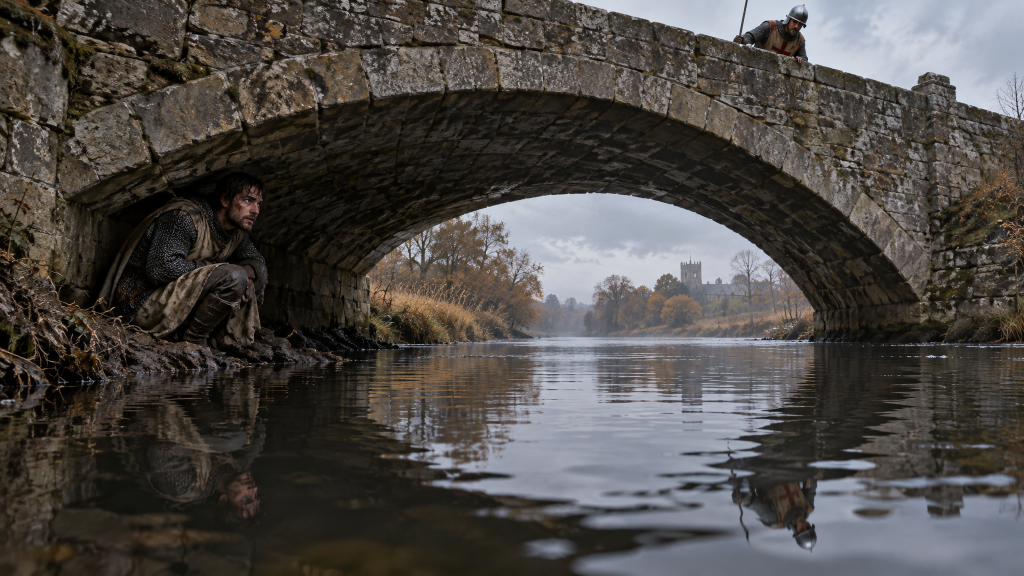
Attending a conventicle was fraught with danger. Government troops actively hunted for these gatherings. Laws were passed making attendance a crime punishable by heavy fines, imprisonment, or even death. To protect themselves, Covenanters often posted armed sentries on surrounding hills. These sentries watched for approaching soldiers. Despite the risks, field conventicles flourished. They served as powerful symbols of community solidarity and resistance to state-imposed religion.
Martyrs and Suffering
This era produced numerous martyrs for the Covenanter cause. Figures like James Renwick became symbols of steadfast faith. He was the last Covenanter minister to be executed, in 1688. The “Wigtown Martyrs” (Margaret Wilson and Margaret McLachlan) were also prominent examples. They were drowned by the rising tide for refusing to renounce the Covenant. They faced brutal oppression with remarkable courage.
Donnottar Castle
The suffering was not confined to executions. Thousands were imprisoned, fined, or banished. A particularly grim chapter unfolded at Dunnottar Castle, a formidable clifftop fortress. In 1685, following the failed Argyll Rising, over 160 Covenanter prisoners were marched north. This group included men, women, and children. They were incarcerated in a single, damp, and overcrowded vault beneath the castle. This chamber is now known as the “Whigs’ Vault.”
The conditions were horrific. Prisoners were packed so tightly they could barely move. They had minimal food, water, or sanitation. Consequently, disease was rampant. Many perished during their months of confinement. Some attempted a daring escape down the precipitous cliffs. However, most were recaptured and subjected to brutal torture. The suffering endured at Dunnottar remains a potent symbol of the extreme persecution faced by the Covenanters. It highlights the brutal lengths the state would go to suppress religious dissent.
Covenanter’s Prison
Another tragic episode occurred in 1679 following the Battle of Bothwell Bridge. A Covenanter rising was decisively defeated there. Hundreds of prisoners were marched to Edinburgh. They were held in an open-air section of Greyfriars Kirkyard, known as the Covenanters’ Prison. Many died there from exposure and maltreatment.
The Orkney Shipwreck
The persecution also extended to banishment. In 1679, following the Battle of Bothwell Bridge, around 250 Covenanter prisoners were sentenced to transportation. They were to be sent to the American colonies. They were crowded onto a ship, the Crown of London, bound for the plantations.
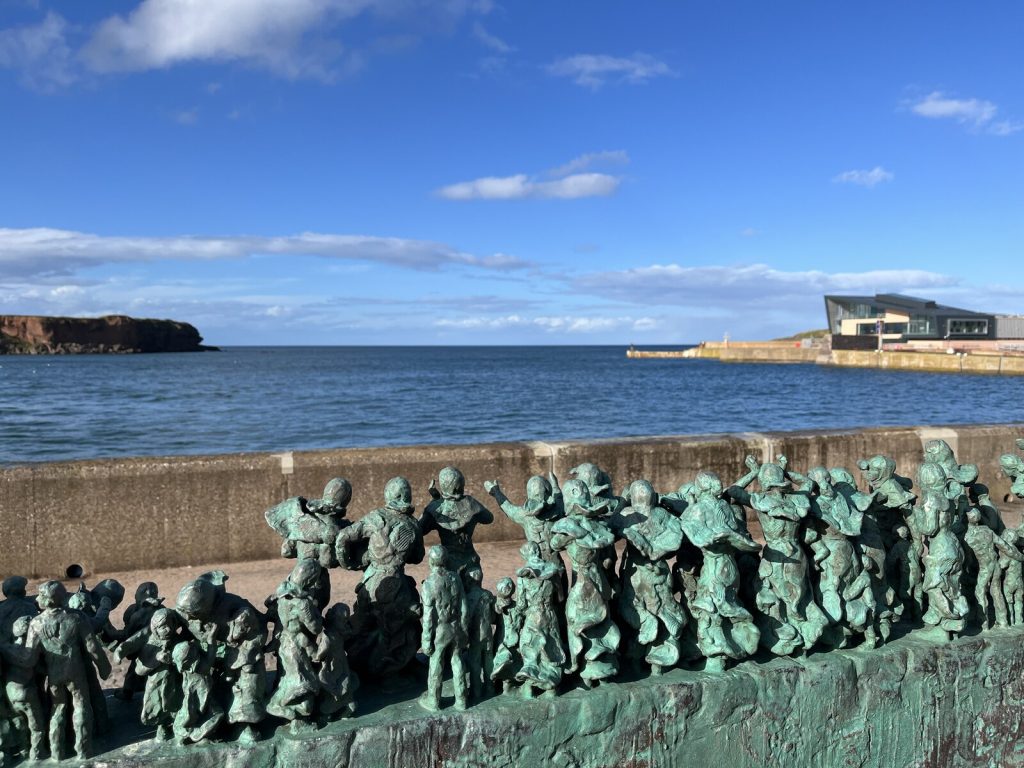
Tragically, the ship was wrecked off the coast of Orkney during a storm. The captain was allegedly a staunch Episcopalian. He reportedly refused to open the hatches to allow the prisoners to escape. As a result, over 200 men who were trapped below deck drowned. This event added another layer of grim tragedy to the Covenanter narrative. It further fueled resentment against the government’s perceived cruelty.
Aftermath of the Scottish Reformation: Witch Trials, Enlightenment, and Jacobites
The legacy of the Scottish Reformation and the Covenanter struggle extended far beyond religious doctrine. It influenced diverse aspects of Scottish life and history.
-
The Scottish Witch Trials: The intense religious fervor and moral absolutism generated by the Reformation contributed to a dangerous climate. This, coupled with social anxieties and political instability, created an environment where accusations of witchcraft flourished. The Kirk, in its zeal to purge society of perceived evil, often played a significant role in these trials. These events resulted in the execution of hundreds, primarily women.
-
The Scottish Enlightenment: Paradoxically, the Reformation also helped lay the groundwork for the Scottish Enlightenment. This was due to its emphasis on education, individual conscience, and the questioning of established authority. These values were particularly strong within the Presbyterian tradition. Thinkers like David Hume and Adam Smith emerged from a society deeply shaped by these intellectual and moral debates. This occurred even though they were often critical of religious orthodoxy.
-
The Jacobite Conflict: The religious divisions cemented by the Reformation also played a crucial role in the Jacobite conflicts. The deposed Stuart dynasty had Catholic sympathies. Therefore, they found support among those who resented the Presbyterian establishment. This support was particularly strong in the Highlands. It was also fueled by resentment towards the Union of 1707. The Jacobite risings were, in part, a manifestation of these lingering religious and political tensions.
Conclusion
In conclusion, the Scottish Reformation was a complex and multifaceted event. It had profound and enduring consequences. It was a period of intense religious conviction, political upheaval, and human suffering. Yet, it also contributed to the development of distinctively Scottish institutions, intellectual traditions, and national identity. Understanding this turbulent era is essential for grasping the complexities of Scotland’s past and its continuing influence on the present.