⚠️ Sensitivity Warning
This article discusses historical beliefs and burial practices concerning unbaptised children and infant loss. We recognise that these are deeply emotive topics. The traditions explored here reflect the religious and social pressures faced by families in the past, and we share this history with respect and compassion for those who experienced such losses.
The Scottish National Dictionary records tarran as the soul or spirit of a child who died before baptism. The word comes from Gaelic taran.
General Information
A Tarran was believed to be the spirit of a child who had died unbaptised. This belief appears particularly in north-east Scotland.
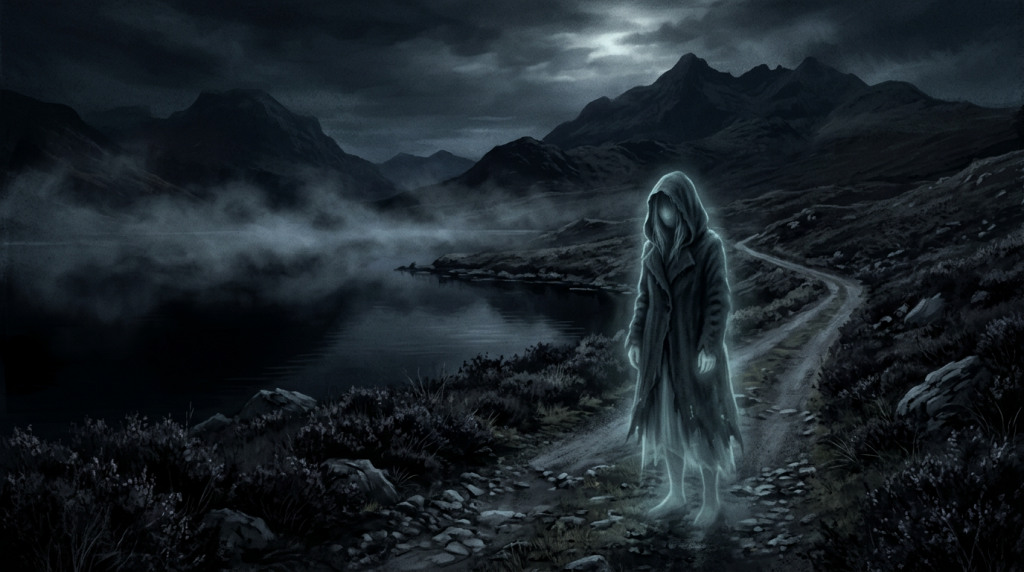
According to an entry in the Scottish National Dictionary, unbaptised children called Tarans were thought to wander through woods and lonely places. There, they lamented their unhappy fate. People also said that they sometimes saw them.
Appearance
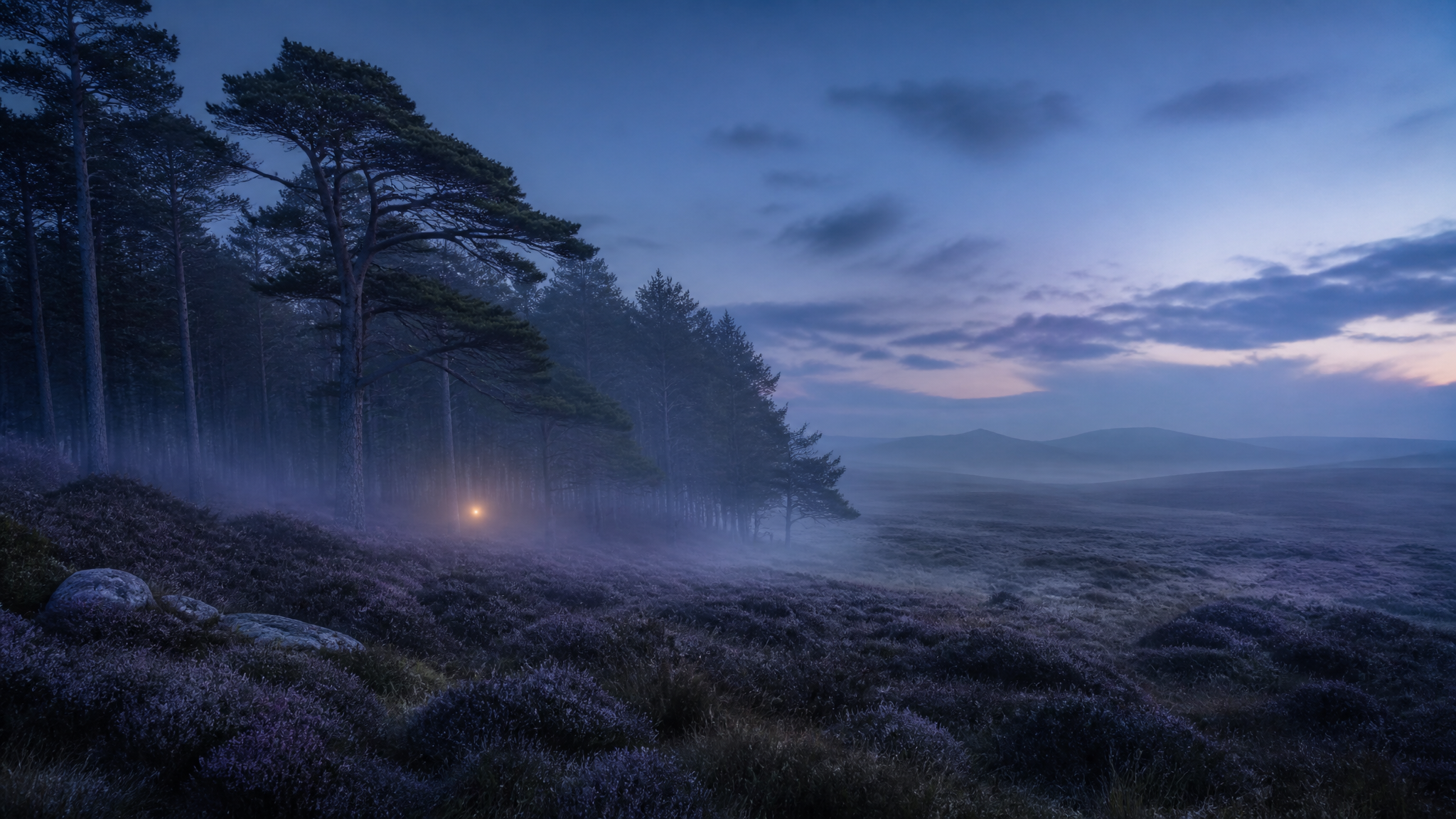
Tarans were reportedly seen as lights. These appearances seem to have belonged to the wider tradition of mysterious lights associated with lonely places, the dead and unsettled spirits.
However, the surviving folklore provides little detail about their form. It does not describe them as fully visible child-figures.
Habitat
A Tarran was said to wander through:
-
Woods
-
Solitary places
-
Open ground
-
Areas around burial sites
The tradition links the Tarran with places beyond the protection of the Christian community.
Location in Scotland
The belief is recorded in north-east Scotland. The Scottish National Dictionary cites an account from Moray, published by Lachlan Shaw in 1775.
Stories, Sightings or Experiences
The Wandering Tarran
According to a tradition recorded in 1775, children who died without baptism became Tarans. Their spirits wandered through woods and solitary places, lamenting the fate that had befallen them.
People were said to see them, although the account does not explain exactly what these sightings looked like. Other traditions describe the spirits as lights moving through the darkness.
Buried Before Sunrise
Walter Gregor recorded that stillborn children and those who died without baptism were buried before sunrise. This practice reflected the belief that, unless they were buried at that time, their spirits could not enter Heaven.
Instead, their souls would float homeless through the regions of space.
In some places, people buried such children where nobody could step on their graves. This detail suggests both fear and compassion. The child remained excluded from consecrated burial, yet the grave still received careful protection.
Purpose of the Myth or Legend
The Tarran tradition reflects the painful religious beliefs once imposed on families after the death of an unbaptised child.
Medieval Christian theology often treated baptism as necessary for salvation. Some theologians believed that unbaptised children could not enter Heaven. Later ideas placed them in limbus puerorum, or limbo, a place described as free from physical suffering but permanently separated from the presence of God.
These beliefs affected burial practices. In some periods, church authorities denied unbaptised children burial within consecrated ground. Families could therefore face both grief and religious exclusion.
The Tarran may represent the emotional consequences of that exclusion. Rather than resting within the community of the dead, the child became a wandering spirit. The image of a small light in a lonely place is especially poignant. It suggests a soul that has not found either a home or release.
Historical Note
The Scottish Tarran tradition should not be treated as evidence that every community followed the same burial practices. Beliefs and customs varied by place and period.
Barbara Hausmair’s research on medieval burial regulation provides useful historical context. It discusses the wider Christian treatment of unbaptised children, including restrictions on burial in consecrated ground. However, the chapter does not specifically document the Scottish Tarran belief.
Sources
-
Scottish National Dictionary, entry for tarran, first published in 1974, citing Lachlan Shaw’s History of the Province of Moray.
-
Notes on the Folklore of the North-east of Scotland by Walter Gregor
-
Barbara Hausmair, “Break a rule but save a soul. Unbaptized children and medieval burial regulation”, in Archaeologies of Rules and Regulation: Between Text and Practice (2018)