Name pronunciation:
Koo-ach-uk (approximated from Scottish Gaelic)
General Information:
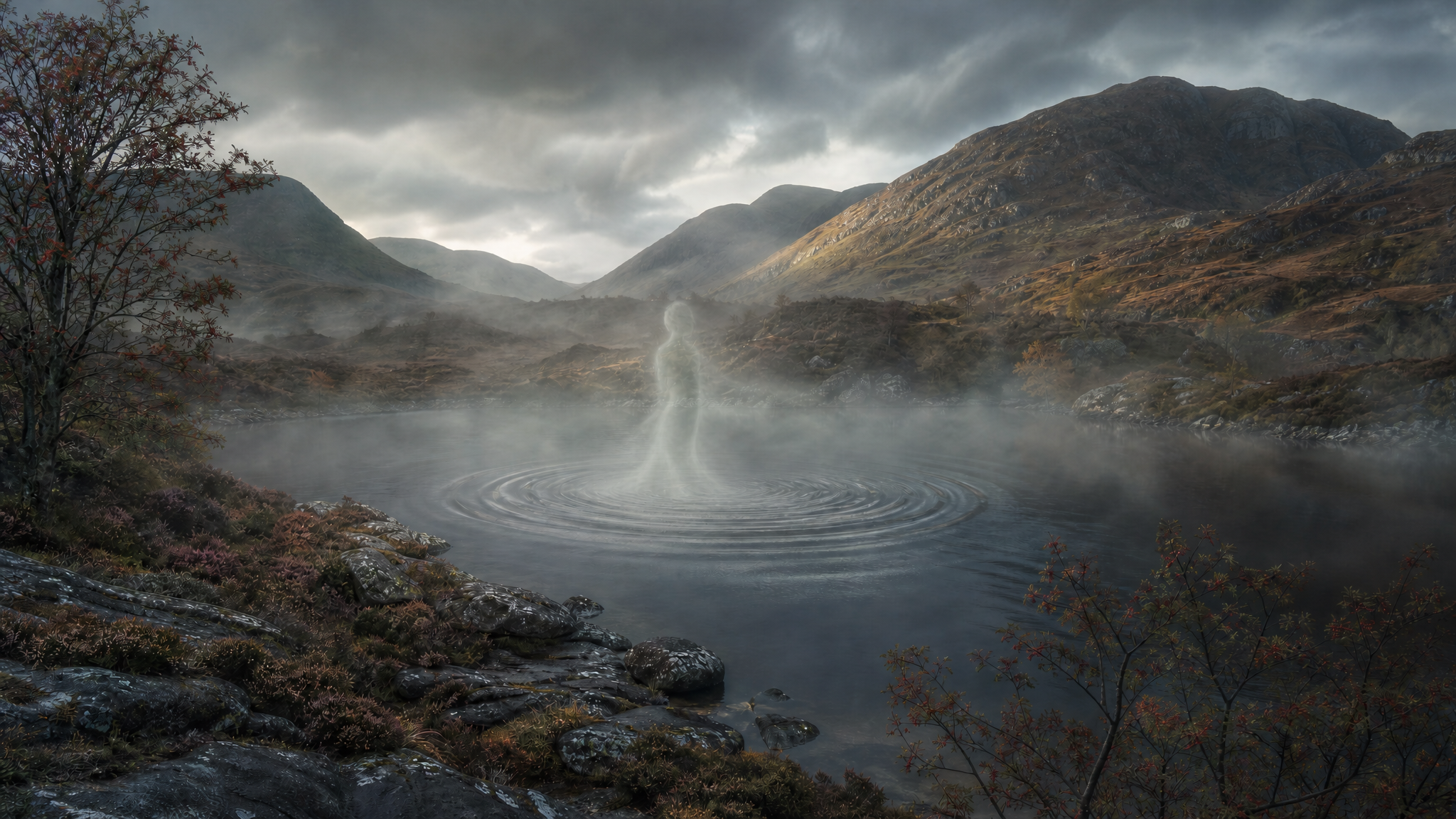
Cuachag is a specific type of fuath or water-sprite that belongs to the Central Highlands of Scotland. Historically located within Inverness-shire, this being is inextricably linked to the geography of its namesake glen. Unlike generic spirits, this entity is a tutelary being, which means it acts as a guardian or personification of a particular body of water.
In addition, the study of Scottish place-names by researchers like Professor W.J. Watson suggests that many Highland rivers once had their own unique spirits. For instance, while Glen Cuaich has its sprite, Glen Etive is haunted by a being known as Éiteag. These names often reflect the ancient Celtic practice of viewing rivers and lochs as deities. Thus, the Cuachag should be understood as the living essence of the local water system.
Appearance:
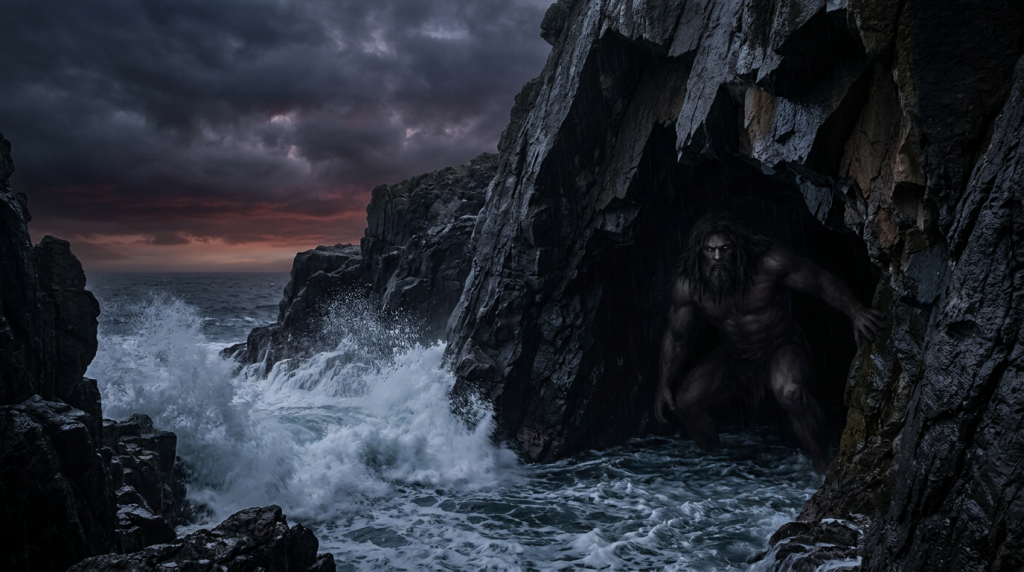
No specific physical description survives in the primary folklore records provided. However, as it is classified as a fuath, it would likely share the unsettling traits of that class of spirits. In Scottish folklore, fuathan are often depicted with mane-like hair, webbed features, or even animalistic mutations. Because they are metamorphic, their appearance may change to suit their surroundings or to lure victims.
Habitat:
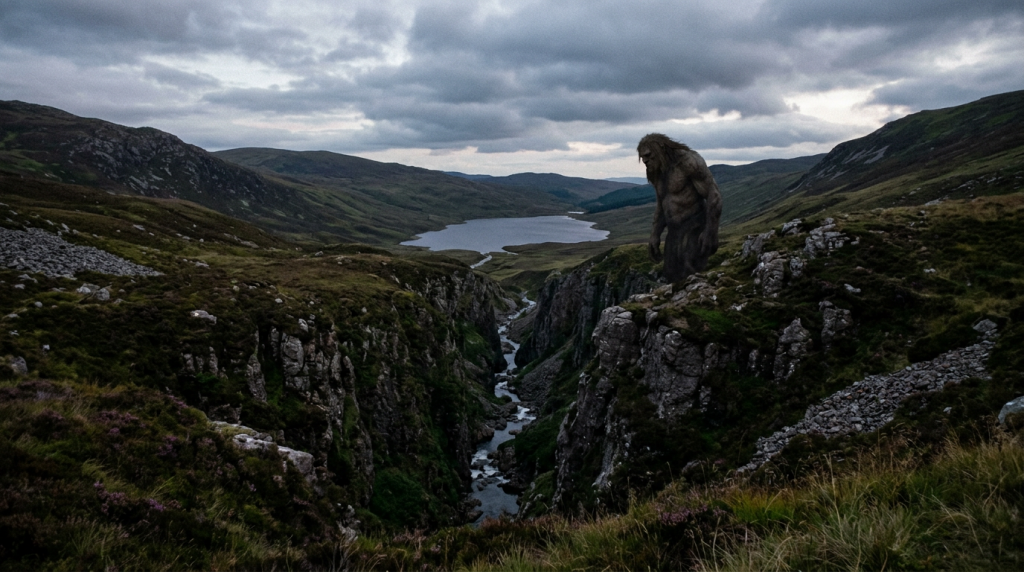
Glen Cuaich in the Inverness-shire Highlands is the primary home of this spirit. Loch Cuaich, situated approximately eight miles south-west of Kingussie, is also named after the sprite. These freshwater environments provide the perfect backdrop for a being that is said to be as unpredictable as a Highland spate.
Behaviour:
Dangerous tendencies are a core trait of the Cuachag, as is common with all members of the fuath family. It is a territorial being that demands respect from those who cross its waters. According to historical tradition, sprites like the Cuachag were often seen as the source of sudden, violent floods.
In the central Highlands, people historically recognised that these spirits could be temperamental. For example, similar sprites in other glens were said to appear when rivers were rising in spate. Therefore, the behaviour of the Cuachag is likely a reflection of the river’s own power—beautiful but potentially lethal to the unwary.
Location in Scotland:
Loch Cuaich and Glen Cuaich, Inverness-shire (Central Highlands).
Stories/ Sightings or Experiences:
The Sprite of the Glen
The most significant historical record of this being comes from the work of Professor W.J. Watson in The Celtic Place-Names of Scotland. He noted that Glen Cuaich was “haunted by a being known as Cuachag, the river sprite.” While many of these legends have faded over time, the name remains etched into the landscape. This confirms that until relatively recently, the people of the area maintained a belief in a localised inhabitant of the river.
Purpose of the Myth or Legend:
Cuachag traditions represent the enduring remnants of pre-Christian belief systems in the Scottish Highlands. Originally, many Celtic rivers were viewed as deities or tutelary goddesses who personified the force of the water. Therefore, the Cuachag is likely an ancient river-goddess whose status was reduced to that of a dangerous “sprite” as Christianity became the dominant faith.
This transition is clearly visible in historical records. For instance, Adomnán’s accounts of St Columba show the church asserting authority over such water-beings to convert the local Picts. By reframing these powerful deities as monsters or localized spirits, the church could absorb the landscape’s power into its own narrative.
Ultimately, maintaining the legend served two practical functions for the community. It preserved a cultural connection to an older, animistic worldview where the land was alive and inhabited. Simultaneously, it provided a vital safety warning, as personifying the “dangerous water” made the very real risks of drowning or flash floods much easier to remember.