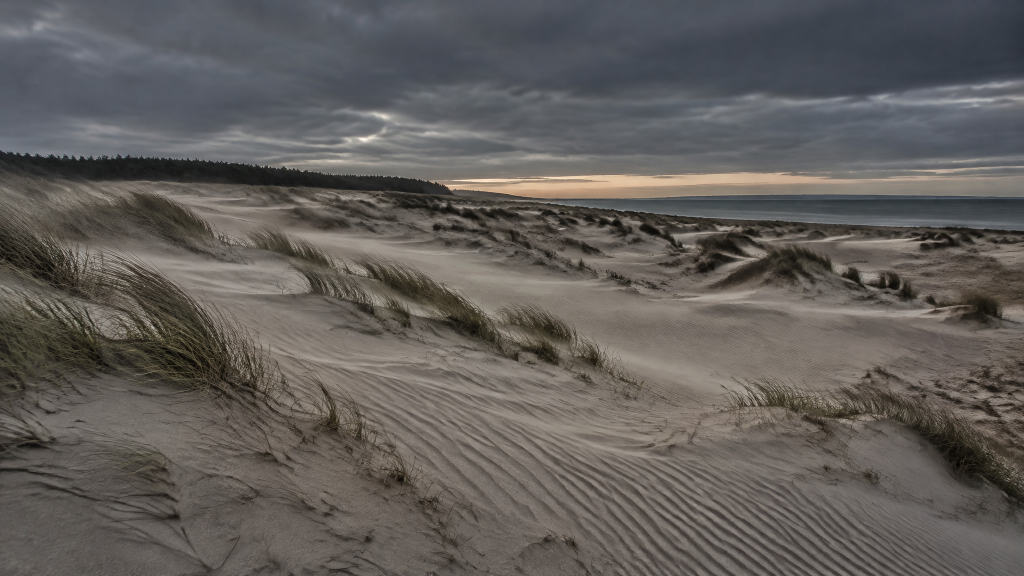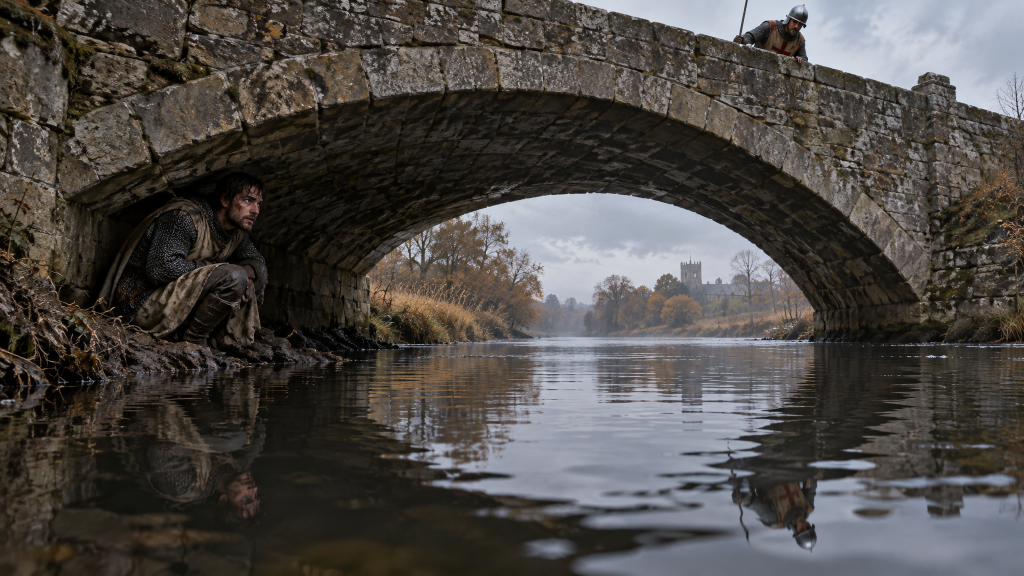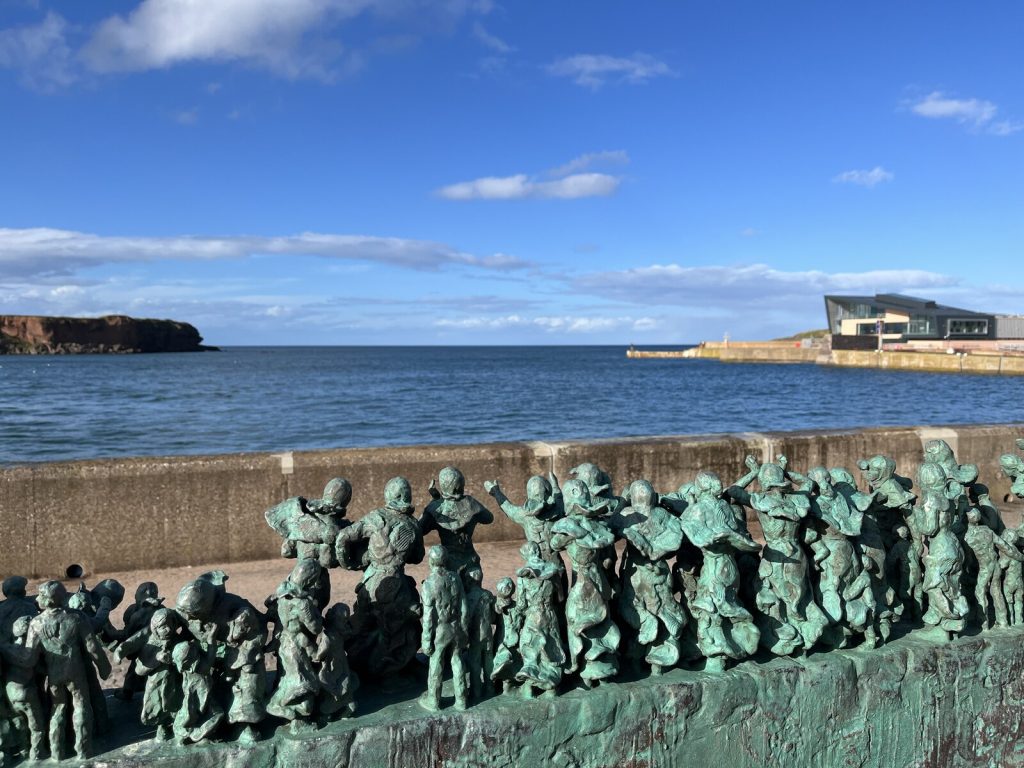
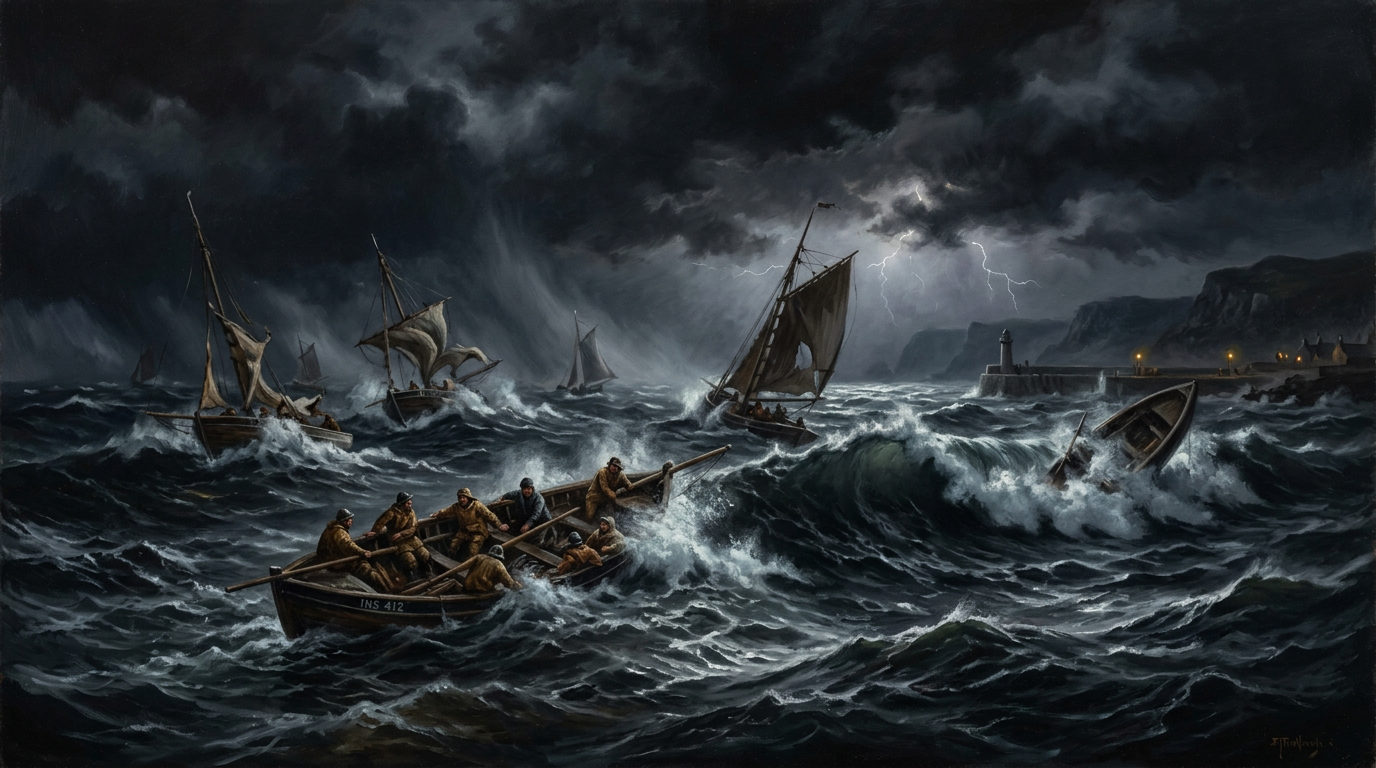
The Moray Firth Fishing Disaster of 19 August 1848 remains one of Scotland’s deadliest fishing disasters. On the afternoon of 18 August, the weather looked promising. Roughly 800 small fishing boats set out from Wick to Stonehaven to gather the day’s herring catch. By midnight, however, the wind had turned savage. By morning, 124 boats had been lost, and 100 fishermen were dead. They left behind 47 widows and 161 children. This single night reshaped an entire industry. However, it wasn’t the only fishing disaster Scotland was to experience, with fishing communities in Shetland, Eyemouth and Stotfield all reporting major fatalities during the 19th century.
Open Boats on an Open Sea
Scottish fishing boats of the early 19th century were small, shallow-draughted vessels with open hulls. They had no decks, no shelter, and no protection for the crew once the sea turned hostile. This design had practical logic. Open boats were light enough to launch from beaches and small harbours, and their unobstructed hulls held the maximum possible catch. Meanwhile, government bounties rewarded larger catches rather than safer vessels, so the herring trade grew steadily riskier. Dutch fishermen, by contrast, had long used large, decked “Buss” boats that stayed at sea for weeks. Scottish boats, however, remained stubbornly open. They worked close to shore in vessels that could be swamped in minutes by a rising sea.
“Extraordinary Violence”
The storm struck without adequate warning. Many skippers were already far from harbour when the winds strengthened. The Banffshire Journal and General Advertiser of 22 August described “a storm of extraordinary violence, which… occasioned great destruction amongst the boats engaged in the herring fishing.” As the evening advanced, the temperature dropped sharply. The wind rose from the south-east, giving the sea “an angry, agitated appearance.” Around 11 pm, violent hail showers battered the coast. Shortly after midnight, the wind veered to the south-west, trapping boats that had already committed to their course home. The newspaper called the scene “most appalling.” It described waves lashing the shore, boats breaking apart, and the fishermen’s female relatives “running about in a state of the utmost excitement and alarm.”
“Dreadful Hurricane”
On 26 August, the Staffordshire Advertiser reported a “dreadful hurricane on the east coast of Scotland.” Around 1,000 boats, each crewed by five men, were out in the Firth when the storm hit. The Fraserburgh boats returned safely. Peterhead fared far worse: 70 of its 400 boats went missing, since the port lay fully exposed to the easterly gale. The coastline between Buchanness lighthouse and the harbour entrance was, the paper wrote, “strewed with wrecks and the dead bodies of fishermen.” Twenty-three corpses were carried into Peterhead before nine o’clock that morning alone. Further bodies continued washing ashore among the wreckage.
The Human Cost
Many boats were lost not at sea but while desperately trying to enter harbour. They were crushed against piers or capsized in the surf at the harbour mouth. The toll rippled through fishing communities along hundreds of miles of coastline. Every skipper and crewman was known by name in his home village. Therefore, the widows and children left behind faced not only grief but destitution, as in many households the drowned men had been the sole breadwinners.
Captain Washington’s Report
Afterwards, the government appointed Captain John Washington of the Admiralty to investigate. His 1849 report to the House of Commons reached two conclusions. Firstly, the open-hulled boat design was fundamentally dangerous. Secondly, Scotland’s east coast lacked sufficient harbours accessible in all tidal conditions. As a result, Washington recommended both decked vessels and a programme of harbour improvements. The Fishery Board for Scotland took up the cause. Fishermen initially resisted decking, though, partly because it reduced cargo space and partly from fear that decks would increase the risk of men being swept overboard.
The Boats That Followed
Change came gradually. The main boat types on the east coast were the Fifie and the smaller Skaffie, the latter common around the Moray Firth. As decks became standard, boats grew larger to compensate for the lost cargo space. New vessels also added a small forecastle in the bow, containing bunks and shelter for crews once exposed to wind and spray. This evolution produced the Baldie in 1860 and the Zulu in 1879. Both were hybrid designs, combining the strengths of the Fifie and Skaffie with full decking and greater seaworthiness. By the century’s end, every east coast fishing vessel was fully decked.
A Lasting Mark on the Coast
The Moray Firth Fishing Disaster stands as a defining moment in Scotland’s maritime history. It is remembered not only for its tragic loss of life but for the sweeping reforms it forced upon an entire industry. A hundred fishermen died in 1848 because their boats had no protection from the sea. Their deaths ensured the boats that followed would.