Name pronunciation:
AH-takh (stress on the first syllable; the second is guttural, like Scottish Gaelic “ch”)
General Information:
The Athach is a Scottish Gaelic monster or giant associated with gorges and lonely lakes. Athach likely derives from Old Irish meaning “boor” or “serf”.
Appearance:
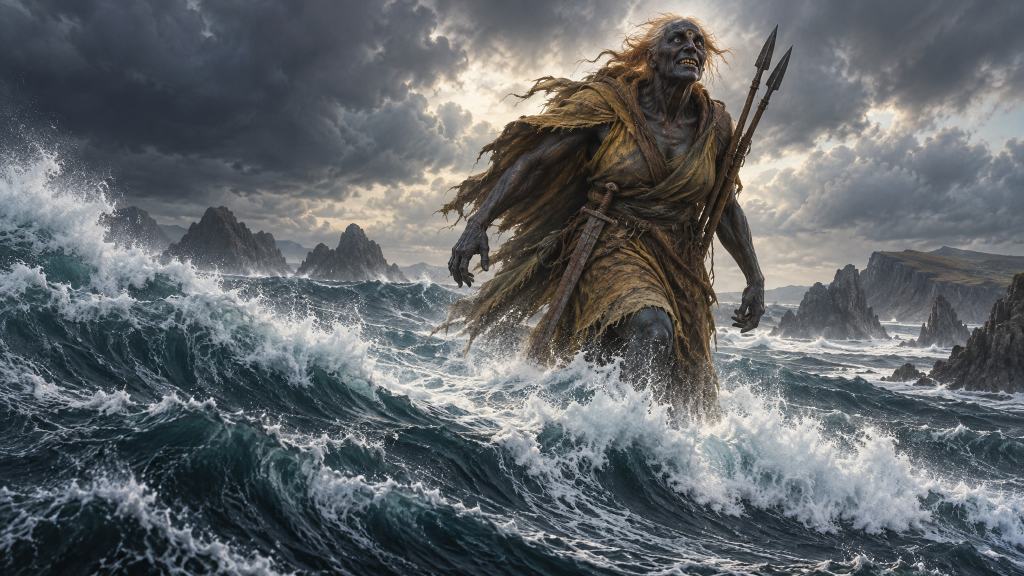
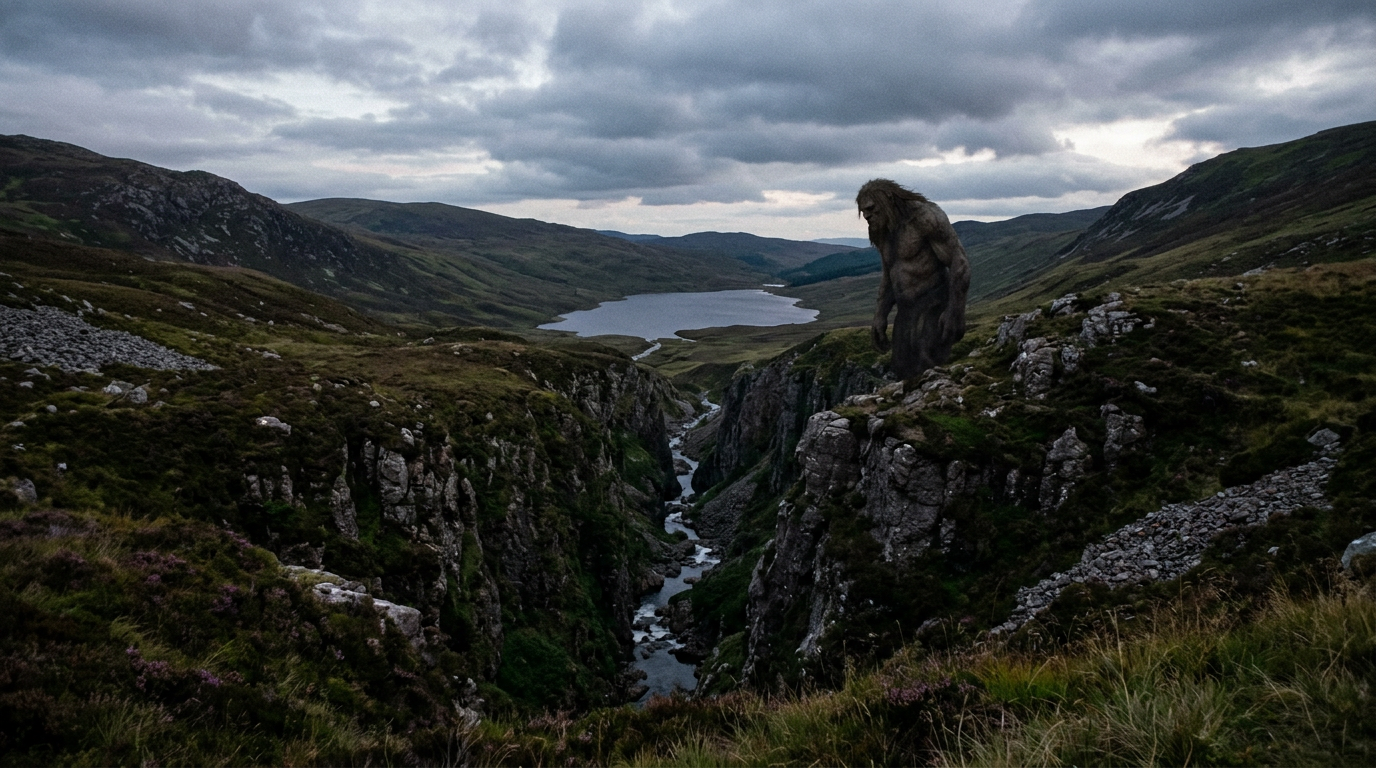
Generally, the Athach is imagined as a large, humanlike giant rather than an animal. Accounts emphasise size and an imposing presence rather than fine detail.
Habitat:
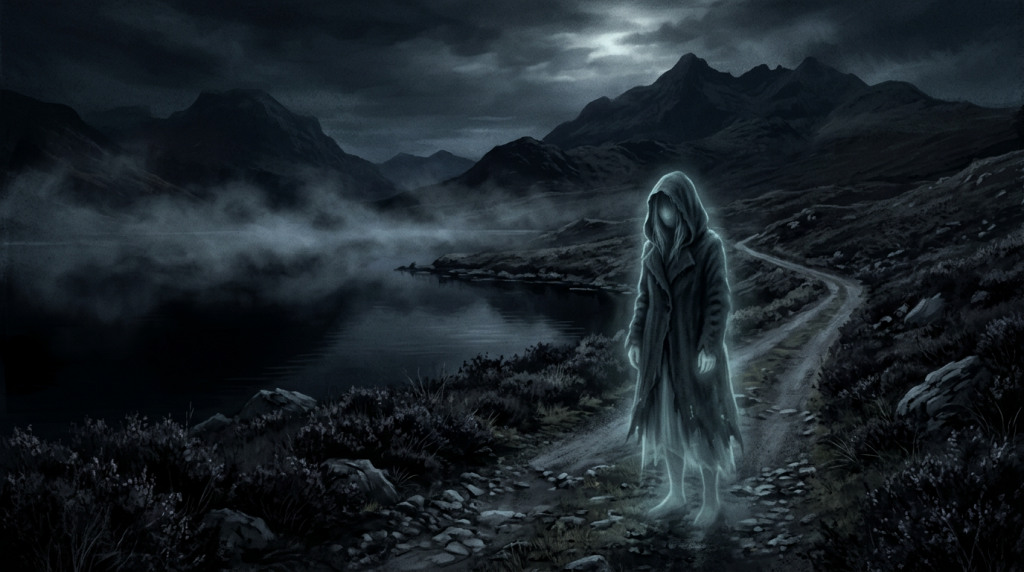
The Athach is traditionally said to dwell in remote gorges and lonely lakes. It favours isolated, steep-sided places where human traffic is rare. Therefore, upland glens, secluded lochs and narrow ravines are the landscape types most commonly associated with it.
Behaviour:
The Athach is typically solitary and secretive, and as a result, it is encountered only rarely. Thus, the creature functions in folklore as one of several beings that mark dangerous or uncanny places.
Shape-shifting Ability:
There is no clear evidence that the athach routinely shape-shifts.
Variant:
It can be compared to the bòcan, dìreach, fachan, and luideag.
Location in Scotland:
It is associated broadly with the Highlands and other remote regions where gorges and lonely lochs occur.
Purpose of the myth or Legend:
The Athach acts as a cultural marker of hazardous, remote places. As with similar figures, it encodes cautionary lessons such as respect for the landscape, avoidance of dangerous terrain and wariness after dark or in bad weather. The legend therefore serves both practical and symbolic functions.
References:
• MacKillop, James. (2004). Dictionary of Celtic Mythology. New York: Oxford University Press, Inc.