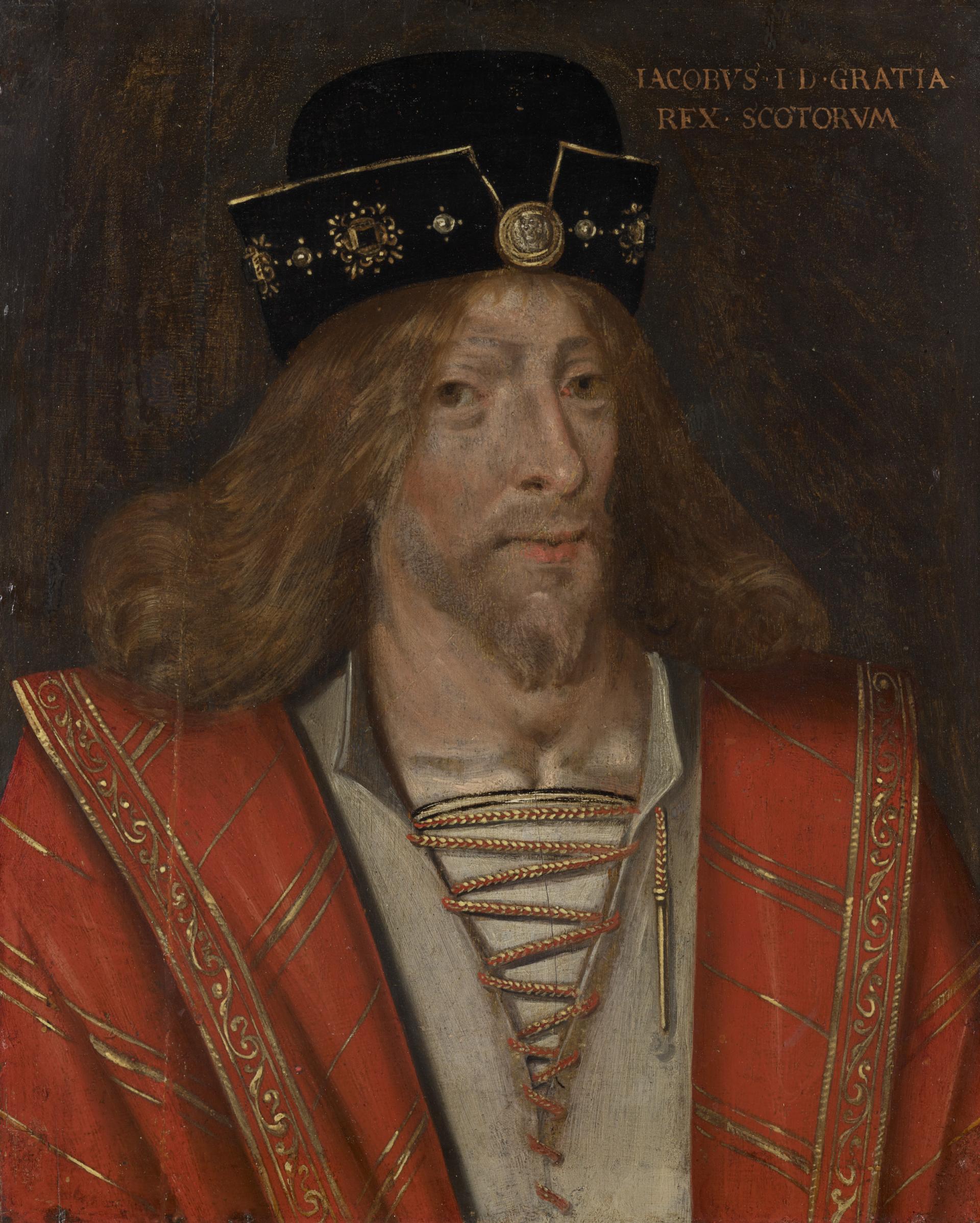
James I remains one of the most fascinating figures in Scottish history, known as both a captive king and a poet. His life was defined by a dramatic kidnapping at sea and a brutal end in a monastery sewer. While his reign brought significant changes to Scotland, the shadow of his eighteen-year exile in England influenced every decision he made.
The Capture of James I by Pirates
James I was born in 1394 at Dunfermline Abbey, the youngest son of King Robert III. Robert III was the nephew of the infamous Wolf of Badenoch. This was a time of political intrigue and plotting between family members. After his older brother David died under suspicious circumstances while in the custody of their uncle, the Duke of Albany, fears for the young prince’s safety intensified. Consequently, his father arranged for him to be sent to France for protection and education in early 1406.
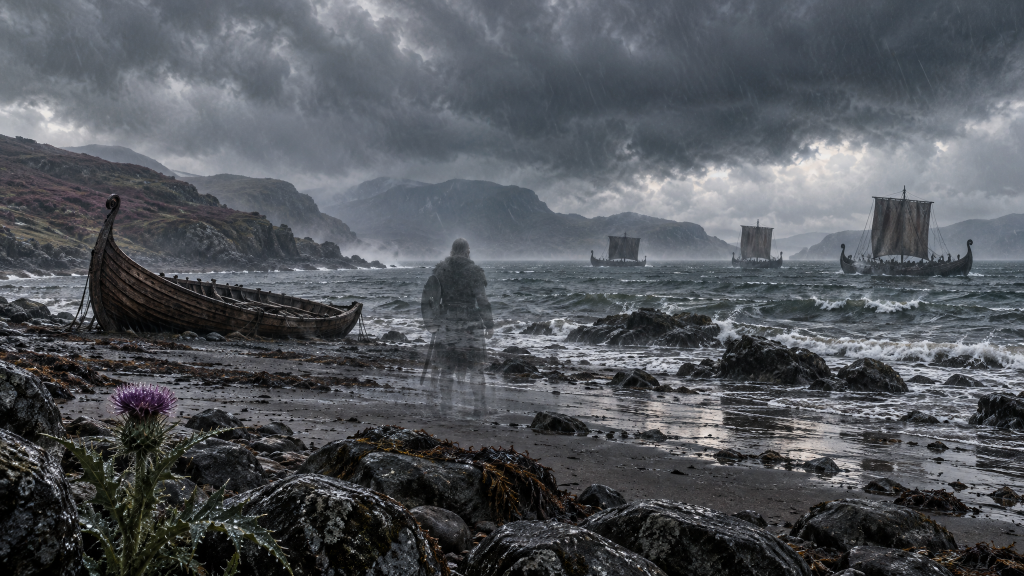
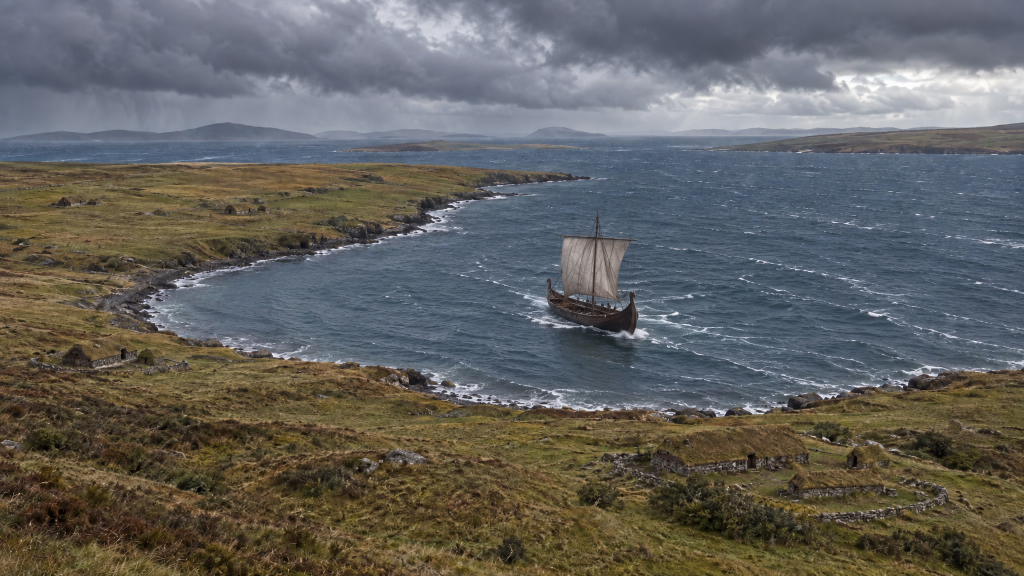
The journey was ill-fated from the start. After taking refuge on the Bass Rock for several weeks, James finally boarded a merchant ship bound for France. However, on 22 March 1406, English pirates intercepted the vessel off Flamborough Head. They captured the eleven-year-old prince and delivered him to King Henry IV of England. When Robert III heard the news of his son’s capture, he reportedly died of grief just weeks later.
Eighteen Years of English Captivity
Although James I was technically the King of Scots from the moment of his father’s death, he remained a prisoner in England for nearly two decades. His uncle, the Duke of Albany, acted as regent in Scotland and showed little urgency in paying a ransom to bring the rightful king home. Despite his lack of liberty, James received an excellent education at the English court.
He became a cultured man of the Renaissance, excelling in music, sports, and literature. During this time, he wrote The Kingis Quair, a famous poem dedicated to Joan Beaufort, the noblewoman he eventually married. James also gained military experience by accompanying Henry V on campaigns in France. This exposure to English governance deeply influenced his desire to impose a more centralised and legalistic rule upon his return to Scotland.
A Triumphant but Tense Return
In 1424, a ransom of 60,000 merks was finally agreed upon. James I returned to his homeland with his new Queen, Joan Beaufort. His homecoming was a mixture of triumph and immediate political purging. He wasted no time in asserting his authority, executing his cousins, the Albany Stewarts, who had ruled in his absence.
James I was determined to modernise Scotland, but his methods were often seen as tyrannical. He imposed heavy taxes to pay his English ransom. However, much of the money was diverted into grandiose building projects like Linlithgow Palace. His aggressive stance toward the Highland clans and his seizure of noble estates created a growing circle of powerful enemies who felt the king had become a “cruel tyrant.”
The Assassination of James I
The tensions of his reign reached a violent climax on the night of 20 February 1437. While staying at the Blackfriars monastery in Perth, a group of conspirators led by Sir Robert Graham and the Earl of Atholl launched a coup. James was alerted to the attackers and attempted to escape through a floorboard into a sewer vault below.
Tragically, the exit to the sewer had been blocked with stone just days earlier because the king kept losing his tennis balls down the drain. Trapped in the dark, James I was discovered by the assassins and stabbed at least sixteen times. Although Queen Joan was wounded, she escaped to Edinburgh to secure the safety of their son, the future James II.