Helen Torrence and Jean Waldie are names often overshadowed by the notorious Burke and Hare, yet their crimes predated that duo by nearly eighty years. It is a pitiful tale. On 18 March 1752, these two women were hanged in Edinburgh’s Grassmarket, marking a grim milestone in Scottish history. While they are frequently labelled as body snatchers, their story is actually one of desperate kidnapping and cold-blooded murder.
A Deadly Gap in the Market
During the mid-18th century, Edinburgh was a global hub for medical excellence, but students faced a constant shortage of cadavers for dissection. This high demand created a lucrative, albeit illegal, trade for anyone willing to provide “subjects” to surgeon-apprentices. Jean Waldie, a sick-nurse living near St Giles Cathedral, saw an opportunity to exploit this need for a quick profit.
A Plan Gone Wrong
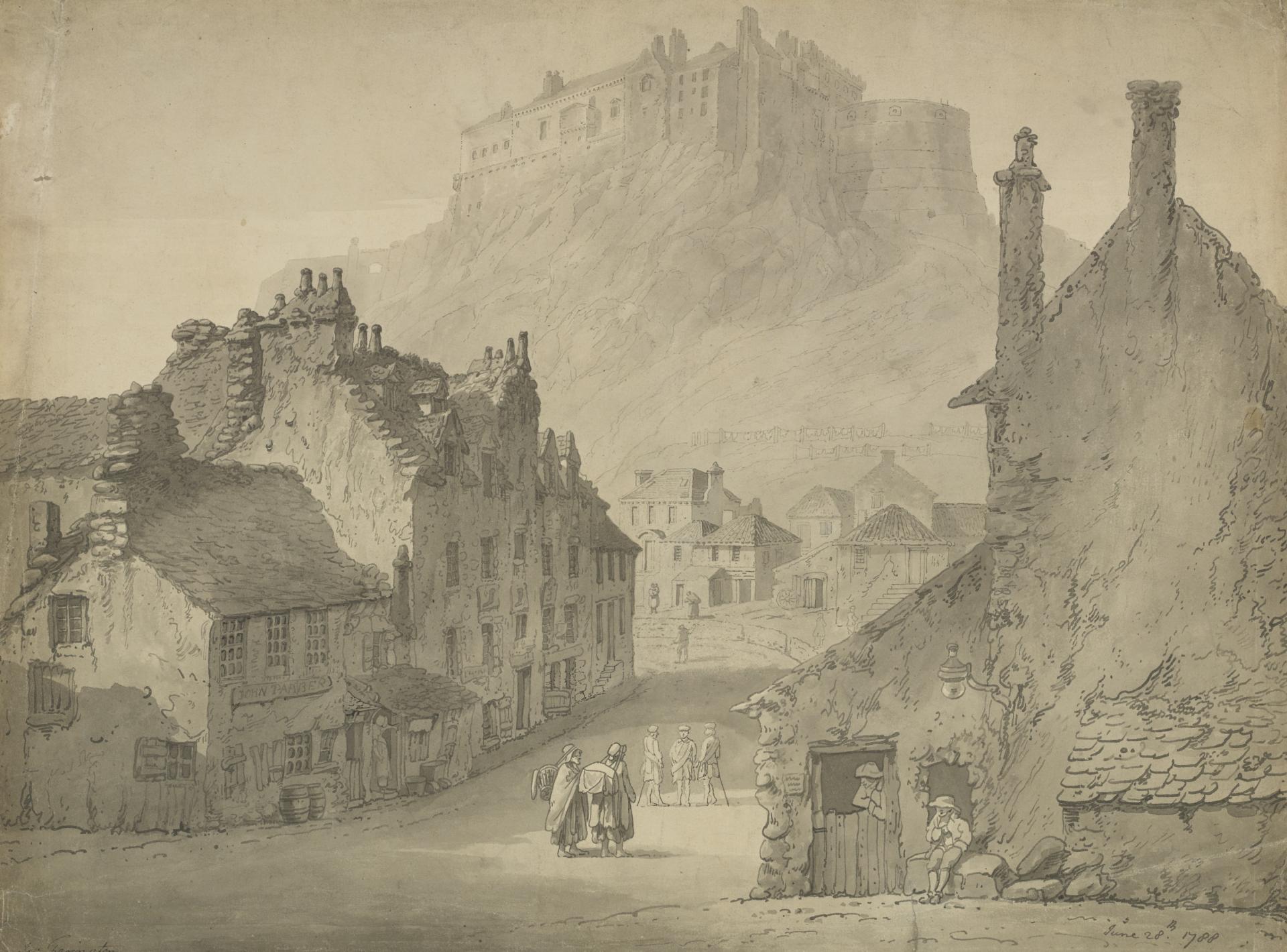
Helen Torrence and her upstairs neighbour, Waldie spent their wretched lives in a tenement in Fairlie’s Close or what is now known as New Assembly Close. By the beginning of the 18th Century, Edinburgh’s Old Town was one of the most crowded and squalid places on earth.
Initially, Waldie hatched a plan to sell the body of a dying child she was tending. Her scheme involved substituting the corpse with stones or sand in the coffin to deceive the mourners. However, when the mother backed out of the deal, Waldie found herself with eager buyers but no product. Consequently, she and her accomplice, Helen Torrence, decided to create a vacancy themselves.
The Murder of John Dallas
The victim was nine-year-old John Dallas, a sickly child who suffered from hearing and speech loss due to scrofula. Scrofula, otherwise known as King’s Evil, was a form of tuberculosis which affected the glands in the neck. On 30 November 1751, Janet Johnston, the boy’s mother visited Torrence. Soon, Torrence and Waldie were plying her with drink. As Johnston succumbed to the alcohol, Waldie slipped down the High Street to Stanielaw’s Close (now Stevenlaw’s Close).
Waldie found the boy alone. She scooped the boy in her arms and carried him back to her apartment in Fairlie’s Close. Torrence slipped away and joined Waldie in forcing the kidnapped children to drink ale and then suffocated him.
Once the deed was done, they sold the small body to medical students for a paltry sum of roughly five shillings. The students began their dissection, but panic set in when rumours of the boy’s murder began to circulate through the city. They hastily sewed up the incisions and abandoned the body in Libberton’s Wynd, where it was quickly discovered by authorities.
Justice in the Grassmarket
During their trial in February 1752, the women offered a bizarre legal defence, arguing that kidnapping a living child and selling a dead one were not capital offences. Nevertheless, the jury was not moved by such hair-splitting logic and found them both guilty. Their execution in the Grassmarket served as a precursor to the fate William Burke would meet in the same spot decades later.
Ultimately, the case of Helen Torrence and Jean Waldie highlights the dark side of the Enlightenment. Their actions proved that the hunger for medical knowledge could drive the desperate to horrific lengths. While they were not traditional grave robbers, their legacy remains a chilling chapter in the history of Edinburgh’s “resurrectionist” era.